
Find a new world

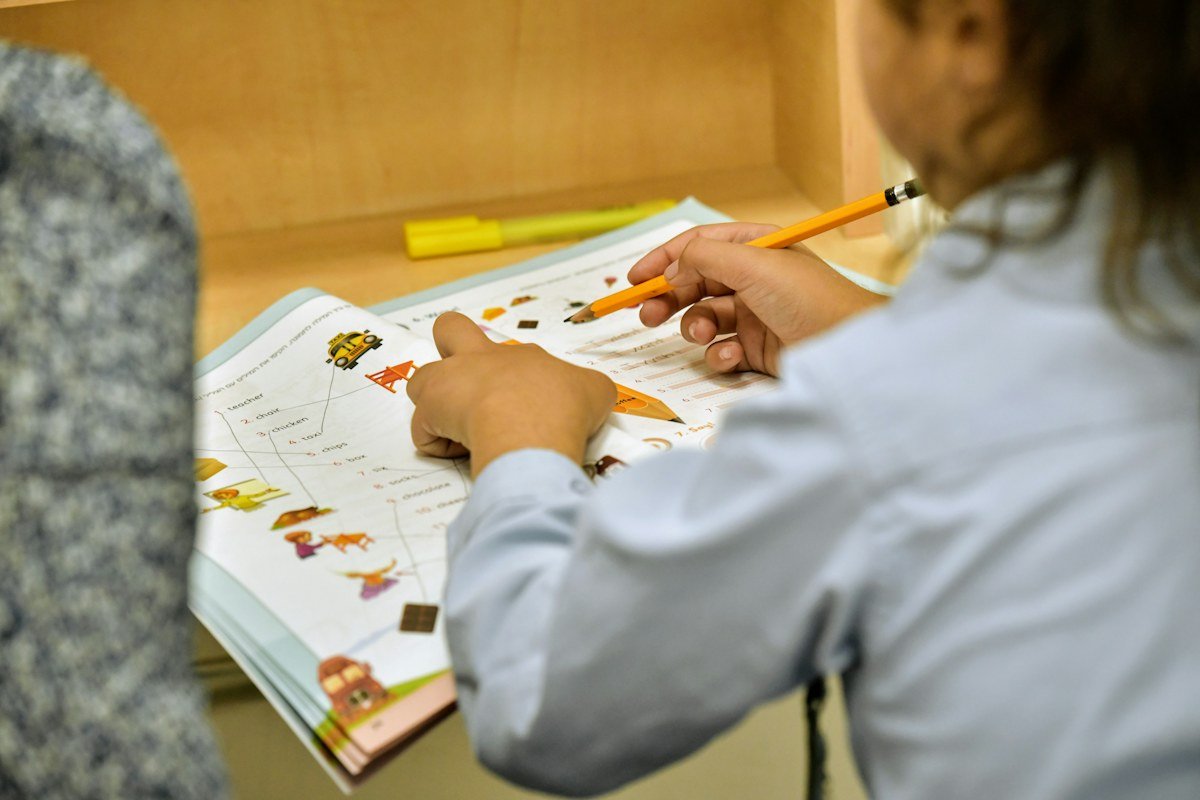
A book can make a school day feel wider. For a few minutes, a child can be somewhere else entirely, following a voice, a question or a place they have never seen. Quiet reading gives that experience room to happen without asking every moment to produce an answer.

Choice helps a reading life grow

Children need good books put within reach, and they need time to find out what holds their attention. One reader may choose a story with a familiar character. Another may stay with a book about animals, machines or a faraway country. Both are reading with purpose.

Choice does not mean leaving children alone with the shelves. Teachers can suggest a next book, read aloud from something more demanding, and help a child who keeps returning to the same kind of text take a small step further. A well-chosen recommendation can open a door without making reading feel like a test.

There is value in the quiet

Reading together matters, and so does reading alone. A calm stretch of time helps children settle into a longer story and notice details they might miss when moving quickly. It also gives them a place to be themselves in a busy day.

Afterwards, conversation can begin naturally. What surprised you? Which part would you read again? Did the book change what you thought? Children learn to support an opinion with something they noticed in the text, and to listen when another reader saw it differently.

Beyond the last page

A reading habit is built one encounter at a time. Some books are finished in a sitting; others take weeks. What matters is that children see reading as something they can return to for pleasure, understanding and a little company whenever they need it.
Play with purpose

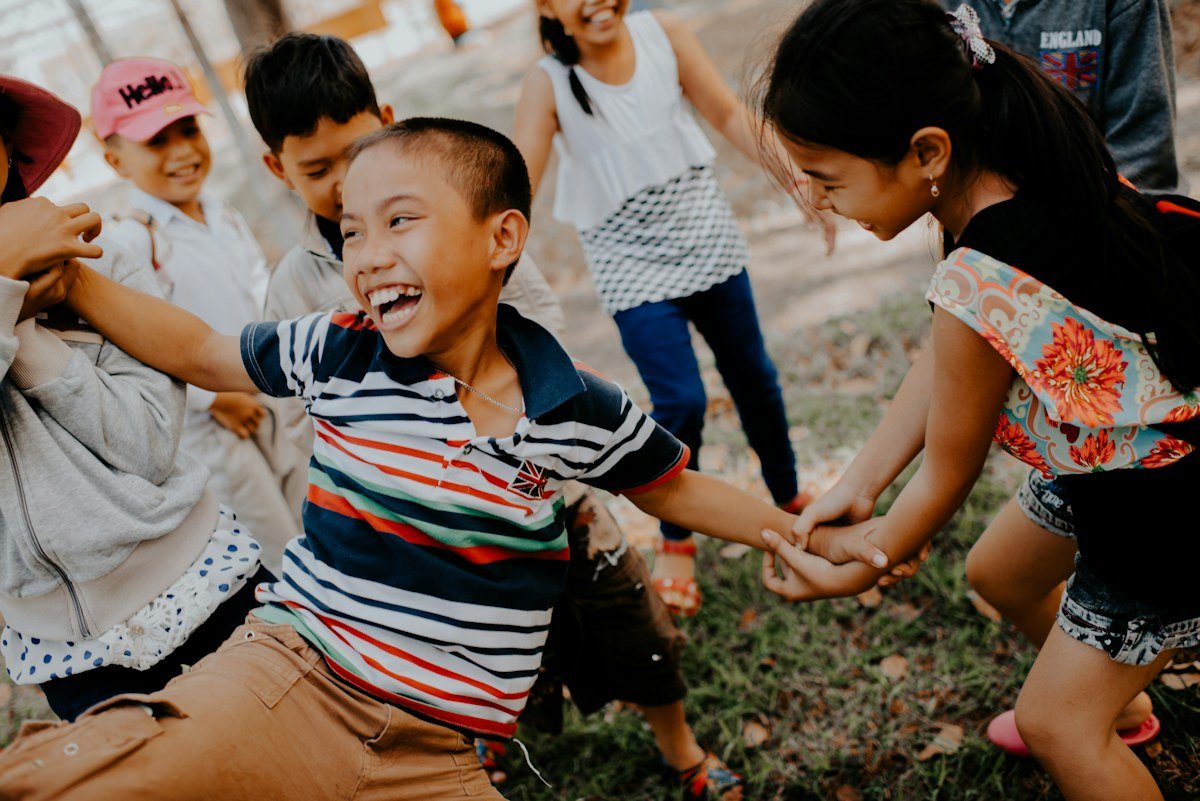
Watch a group game closely and you see more than movement. Children are making quick decisions, reading one another’s intentions and learning what happens when a plan changes. A well-timed pass can matter as much as a fast run. So can noticing the person who has not yet had a turn.

Everyone needs a way in

Confidence in sport does not arrive at the same time for every child. Some are ready to lead a game; others are learning the rules or trying a new skill for the first time. Good play gives both children something meaningful to do. Small teams, clear instruction and different kinds of challenge help children take part without pretending they are all starting from the same place.

Movement is also a chance to enjoy the body at work. Running, balancing, throwing and changing direction ask for practice, but they can also be joyful in their own right. The aim is to help children find activities they want to keep doing.

What a team can teach

A game asks children to pay attention to others. They learn when to speak, when to make space, and how to keep going after a mistake. Winning can be exciting; losing can be difficult. Both give adults a chance to help children respond with honesty and respect.

Those habits travel beyond the playing field. A child who has learned to ask for the ball may find it easier to offer an idea in a group project. A child who has helped a teammate try again may remember that feeling in the classroom.

Keep the invitation open

Not every child will love the same game. The best school life offers different ways to move and contribute, from a lively team match to a quieter challenge with a friend. What counts is the invitation to try, practise and discover what feels possible.

Get your hands involved

A first idea usually looks different by the time a child has tried to make it. A drawing changes when the pencil touches paper. A cardboard bridge needs another support. A piece of music sounds different when someone else joins in. Making gives children a useful reason to notice those differences and decide what to do next.

The first version is allowed to be rough

It is tempting to rush towards a neat finished piece. We make room for the less tidy stages: a sketch, a test, a mistake, and a second attempt. Children learn to ask what is working before they decide what to change. That habit matters in art and design, but it matters just as much in writing, science and mathematics.

A teacher can help by asking a precise question rather than taking over. Which part is strongest? What happens if the material bends? Who will use what you are making? A small question can move the work forward while leaving the decision with the child.

Materials make thinking visible

Paint, paper, wood, fabric and found objects each behave differently. Learning how to use them takes patience and care. Children discover that a good idea also needs a way to be made, and that choosing a tool is part of the thinking.

Working alongside others adds another layer. A shared project needs listening, a plan and a willingness to let someone else’s idea improve your own. It also gives children a chance to explain why they made a choice.

Show the work, talk about the work

When a piece is ready to share, the conversation need not stop at “I like it.” Children can describe what they tried, what changed and what they would do differently next time. That makes the finished work more meaningful. It shows the care behind it and reminds every child that creativity grows through practice.