OUR SCHOOL
Built around the child in front of us.
We want children to know a great deal, to ask good questions, and to trust themselves enough to try. That starts with adults who pay attention and a school day that has room for both focus and discovery.
WHAT WE BELIEVE 01 / 03
Knowledge matters when children can use it.
A child who can read with confidence, express an idea clearly, and work through a difficult problem has more freedom. We start with those foundations and keep building.
Fieldnote brings thoughtful teaching and active learning into the same room. There is a place for a carefully explained lesson, a lively debate, a quiet hour with a book, and the productive mess of trying something new. None of these is a shortcut. Together, they make learning stick.
A CULTURE OF ATTENTION 02 / 03
Known by name.
Known for more.
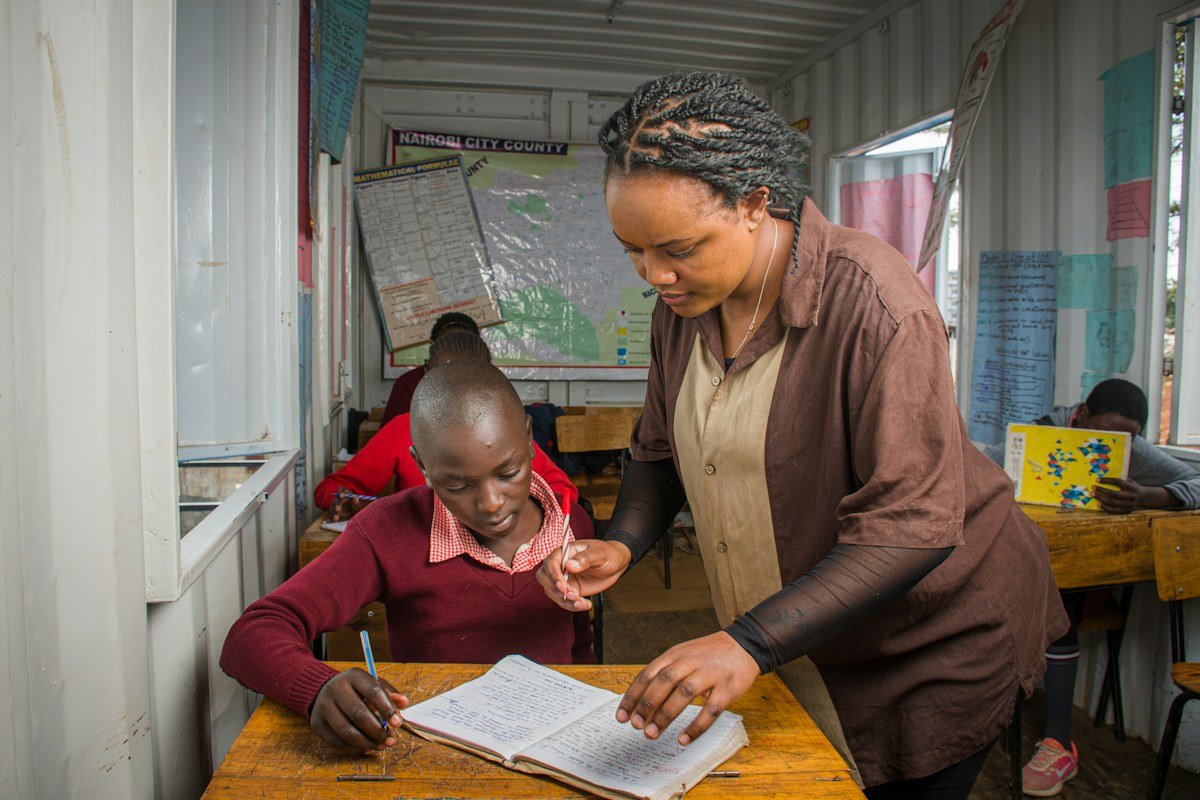
Being known means a teacher notices how you think, where you hesitate, and what excites you. It also means being expected to contribute: to listen, to ask, to try again, and to care for the people learning beside you.
OUR EVERYDAY VALUES 03 / 03
What we ask of ourselves.
Values mean most when they show up in ordinary moments. These guide the way we learn and live together.
Curiosity
Ask the next question, especially when the answer seems obvious.
Care
Notice who is beside you and what they need to do their best work.
Courage
Have a go, change your mind, and keep going when the work gets hard.
Craft
Take pride in making something clear, useful, or beautiful.
PUTTING IT INTO PRACTICE
A philosophy you can see in an ordinary lesson.
Big ideas only count if they change what happens on a Tuesday morning.
A teacher might begin by showing children how to examine a source, then ask them to decide what the source leaves out. In another room, pupils may compare two methods for solving the same problem and explain why both work. The point is not to keep children busy. It is to help them notice, connect, and think for themselves.
That work also asks something of adults. We need to prepare carefully, listen closely, and be honest when a lesson needs another route. Children should see that changing course in response to evidence is part of learning, not a failure of it.
Families are part of this picture. The useful conversations at home are often simple: What surprised you today? What was difficult? What would you try differently? A school and a family do their best work when they can share those questions openly.
See how we teach