MOVEMENT / FIELDNOTE SCHOOL
Play with purpose
Sport and movement offer challenge, joy, and the chance to learn what a team can do together.
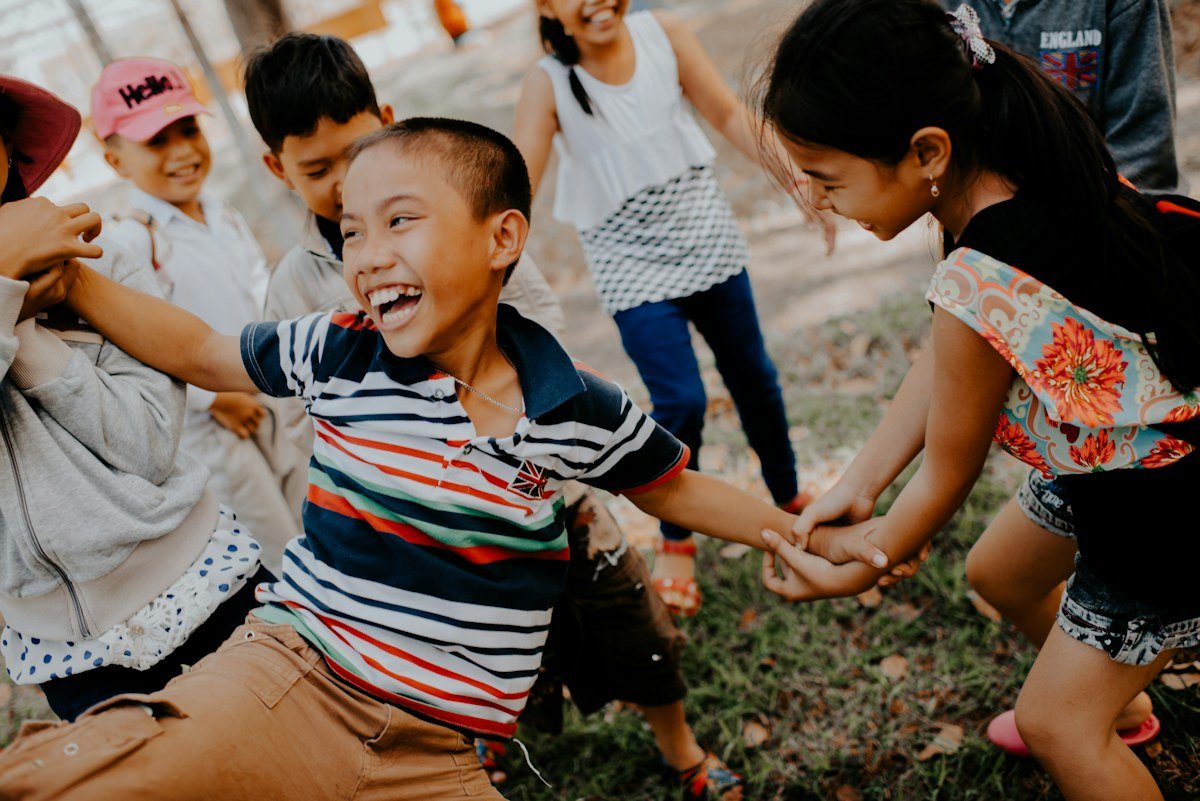
Watch a group game closely and you see more than movement. Children are making quick decisions, reading one another’s intentions and learning what happens when a plan changes. A well-timed pass can matter as much as a fast run. So can noticing the person who has not yet had a turn.
Everyone needs a way in
Confidence in sport does not arrive at the same time for every child. Some are ready to lead a game; others are learning the rules or trying a new skill for the first time. Good play gives both children something meaningful to do. Small teams, clear instruction and different kinds of challenge help children take part without pretending they are all starting from the same place.
Movement is also a chance to enjoy the body at work. Running, balancing, throwing and changing direction ask for practice, but they can also be joyful in their own right. The aim is to help children find activities they want to keep doing.
What a team can teach
A game asks children to pay attention to others. They learn when to speak, when to make space, and how to keep going after a mistake. Winning can be exciting; losing can be difficult. Both give adults a chance to help children respond with honesty and respect.
Those habits travel beyond the playing field. A child who has learned to ask for the ball may find it easier to offer an idea in a group project. A child who has helped a teammate try again may remember that feeling in the classroom.
Keep the invitation open
Not every child will love the same game. The best school life offers different ways to move and contribute, from a lively team match to a quieter challenge with a friend. What counts is the invitation to try, practise and discover what feels possible.