Words & stories
Reading widely, writing often, and learning to make an argument that is both clear and kind.
LEARNING AT FIELDNOTE
Strong foundations are built through clear teaching and practice. Children then use what they know to investigate, explain, make and revise.
THE CORE 01 / 04
Reading, writing, mathematics, and scientific thinking are not boxes to tick. They are ways of understanding the world and taking part in it.
Teachers explain new ideas clearly, make room for practice, and return to important concepts in new contexts. Children learn to speak with precision, listen with patience, and show how they reached an answer.
AREAS OF LEARNING 02 / 04
Reading widely, writing often, and learning to make an argument that is both clear and kind.
Building fluency, testing ideas, and finding the logic behind the answer.
Observing closely, experimenting carefully, and being willing to revise a theory.
Exploring history, geography, and the choices that shape communities.
Using image, sound, movement, and performance to say something worth sharing.
Developing healthy habits, teamwork, and an understanding of self and others.
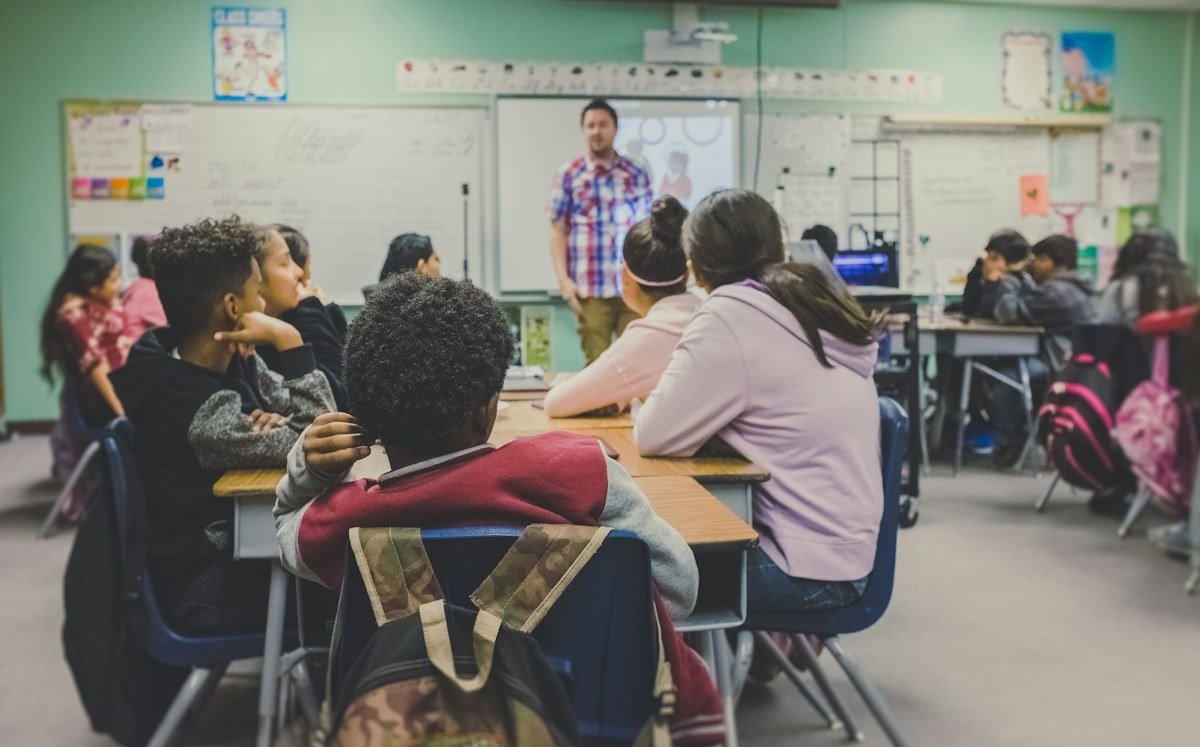
LEARNING IN ACTION 03 / 04
Knowledge becomes more powerful when children put it to work. A question about water might lead to measurement, research, persuasive writing, and a prototype. Projects give different subjects a reason to meet.
The result matters, but so does the process: planning, testing, revising, and explaining what changed along the way.
PROGRESS 04 / 04
Children need to know what they can do, what they are working towards, and how to close the gap.
We make learning visible through conversation, careful feedback, and work children can revisit with fresh eyes. Growth is more than a score: it is the ability to explain, improve, and take on a new challenge.
Explore joining FieldnoteA CLOSER LOOK
It has a clear purpose, enough time to practise, and a reason to keep thinking after the lesson ends.
Some mornings begin with focused instruction. A teacher models a new idea, checks understanding, and gives children a chance to try it with support. Later, pupils may work in pairs to compare approaches, or independently to find out what they can now do without help. The pace changes with the work, not with a fixed idea that every moment must look the same.
We return to important ideas often. A text discussed in one term can open a new question in the next. A measurement skill learned in mathematics can help a science experiment make sense. These connections give knowledge staying power.
No two children bring the same mix of strengths and uncertainties to a task. Clear explanations, well-chosen practice, careful questions, and useful feedback help teachers respond. A child who is ready to go further needs more depth, not simply more pages. A child who needs another route deserves time and a route that makes sense.
Children should also learn to recognise their own progress. Keeping a piece of early work, revisiting it, and explaining what changed can be more revealing than a mark alone.